
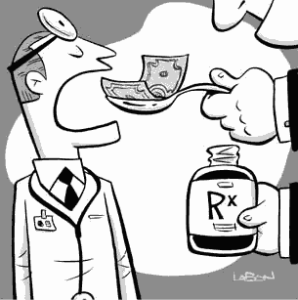
 When I used to teach public relations classes on things like Reputation Management or Crisis Communications, I taught the old PR maxim about “depositing in the bank of goodwill” out there. Simply put, the better you or your organization are at honourable citizenship on a day-to-day basis, the more public goodwill you’ll build up in this account, and the more others will be wiling to trust you.
And vice versa: the more slimy your ongoing behaviour, the less you can realistically expect anybody to trust you. Yes, even when you are telling the truth.
The good news is that, when your balance in the bank of goodwill is healthy, your chances of that trust remaining stable even if you do something bad are improved. So if you should need to make a “withdrawal” one day when a crisis hits, you’ll have the social capital of public trust nicely tucked away in that bank.
It’s also why Phillip Ball – the London-based science journalist, former editor of Nature, and the author of Curiosity: How Science Became Interested in Everything – is taking aim at Big Pharma, and particularly at British drug giant GlaxoSmithKline (GSK). Continue reading
 It seems that there are enough physicians out there who aren’t even a tiny bit embarrassed about referring to themselves out loud as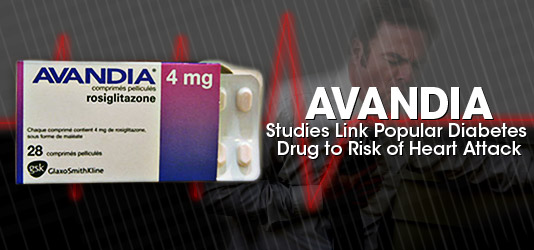
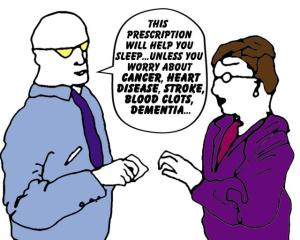 There is strong evidence that medical researchers’ financial ties to their industry funders may directly influence their published positions in
 The Premier of my lovely province here on the West Coast of Canada promised during our spring election campaign that her government would pay for prescription drugs or products to help British Columbians quit smoking. But a new report in
  With a university degree in biology, young David landed a new job with a medical communications company. His first writing assignment was to produce scientific abstracts for studies of a newly approved antibiotic. Alas, the drug had a major weakness: it didn’t work on
  The Ethical Nag