
 Until recently, drug companies selling blockbuster drugs were the darlings of stock market investors. But of course, not all diseases are blockbusters, warns Martha Rosenberg in a recent AlterNet essay. Supply-driven marketing, also known as “Have Drug – Need Disease and Patients” – not only turns us into pill-popping hypochondriacs, she claims, but it distracts from Big Pharma’s drought of real drugs for real problems.
She reminds us that, in order to be considered a true blockbuster disease, a condition must:
- really exist but have huge diagnostic “wiggle room” and no clear-cut tests
- be potentially serious with “silent symptoms” said to “only get worse” if untreated
- be “under-recognized,” “under-reported” with “barriers” to treatment
- explain hitherto vague health problems that a patient has had
- have a catchy name — ED, ADHD, RLS, Low T or IBS — and instant medical identity
- need an expensive new drug that has no generic equivalent
Martha suggests the following conditions that just might turn into potential blockbuster diseases – the ones that Big Pharma hopes you get this year: Continue reading
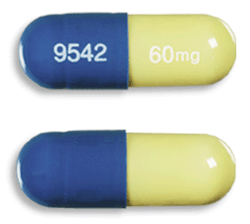 Drug companies are acutely aware of what’s called the ‘patent cliff’, when their expensive brand name medications lose their patent protection, thus opening up the market for cheaper, identical generic competition. This is good news for consumers, but very bad news for Big Pharma.
 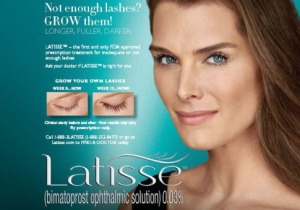 Forbes ran an interesting piece last month on the fine line in Big Pharma between promoting a new drug and presenting a misleading picture of its risk and benefits. In fact, the American Food & Drug Administration regularly singles out drug companies that use questionable language to imply or suggest their drug is superior to similar treatments, and watches closely for the omission of dangerous risk and side effect information. Forbes recently ran an online slide show of the 10 most misleading drug ads that have been slapped with FDA warning letters.
 Let’s say you are a heart attack survivor like me, who must now take a fistful of cardiac drugs every day. And let’s say one of them is
  The Ethical Nag