
 Here at Ethical Nag World Headquarters, it’s been quite the week ever since the American Heart Association and the American College of Cardiology released their new cardiovascular disease treatment guidelines, which I have taken the liberty of sub-titling:
“If you have a detectable pulse, you need to be taking statins!”
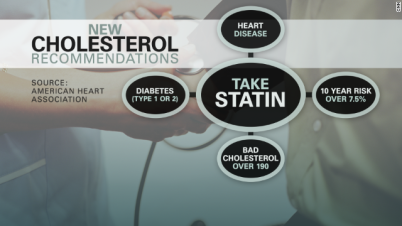
For more specifics on the guidelines – including the list of four newly-identified groups of people whose heart health will benefit from taking cholesterol-lowering medication – oops, I mean statins only – every day for the rest of their natural lives, read yesterday’s Ethical Nag post, Can Statins Prevent My Head From Exploding?
What happens next? Your doctor will now review all 284 pages of the new guidelines, and then, in a bonding moment of shared decision-making, the two of you will soon sit down together to decide upon just the right course of action – oops, I mean drug prescription – based on what the guideline authors have recommended, in turn based on an (allegedly) flawed risk calculator that’s predicted to significantly increase the very large pool of daily statin-using drug takers, even among healthy individuals formerly considered low-risk for future cardiovascular disease.
But first, let’s set off for a behind-the-scenes visit to the people who actually write these treatment guidelines. Continue reading
 November 11, 2011 was a happy day for Big Pharma. That’s the day when The National Heart, Lung and Blood Institute issued new guidelines recommending that every child’s first cholesterol check should occur before the kid hits puberty, between the age of 9-11. As the Wall Street Journa
 When I was hospitalized after my heart attack, cardiologists immediately prescribed
  Here’s a cardiac research story so confusing that the average dull-witted heart attack survivor like me can barely keep up with the plot. So let’s try telling the tale in pared-down plain English to see if we can figure out how two well-respected
  It was like something out of the movie Michael Clayton – only with Big Pharma as the villain: a Pfizer drug rep sporting a severe black suit and taking cell phone pictures of students protesting Harvard Medical School’s ties to the drug industry. Staged last October, the Boston gathering was sparsely attended, with a few students holding signs and a petition delivered to an empty office (the dean was out of town).
 The Ethical Nag