
 According to a recent study in The American Journal of Managed Care, nearly 97% of Nurse Practitioners (NPs) now prescribe medications, and each one of these writes, on average, between 19-25 prescriptions each day. That’s about 6,200 prescriptions per NP prescriber per year. In addition, Physician Assistants (PAs) are writing more than 250,000,000 prescriptions each year.* In total, these health care providers are responsible for a significant whack of drug prescriptions each year.
That’s why organizers of the annual Maximizing Relationships with Nurse Practitioners and Physician Assistants Summit provide a platform for the pharmaceutical industry to build cozy relationships with all of these NPs & PAs. Here’s what the summit’s pitch promised: Continue reading
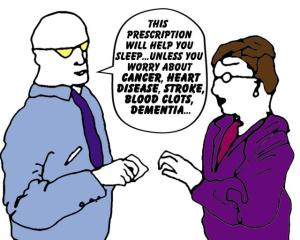 There is strong evidence that medical researchers’ financial ties to their industry funders may directly influence their published positions in
 Almost everything I know about chronic pain I learned while working in hospice palliative care, where pain management was one of the most important components in easing the end-of-life suffering of our patients. But even before then, one April morning in 1983, I listened to my father’s oncologist tell our family:
 While recent lawsuits and research studies have raised questions about why some
 It was like something out of the movie Michael Clayton – only with Big Pharma as the villain: a Pfizer drug rep sporting a severe black suit and taking cell phone pictures of students protesting Harvard Medical School’s ties to the drug industry. Staged last October, the Boston gathering was sparsely attended, with a few students holding signs and a petition delivered to an empty office (the dean was out of town).
 The Ethical Nag