
 As regular readers already know, I’ve told some embarrassingly cringe-worthy tales about how some health care professionals are using social media (here, here and here, for example). In Doctors Behaving Badly Online, I cited studies by Washington, DC researcher Dr. Katherine Chretien and her findings of physicians’ “unprofessional” posts on Twitter featuring “very naughty words, potential violations of patients’ privacy, and discriminatory statements.”
Two years ago, when the British Medical Association warned U.K. docs and med students NOT to make “informal, personal or derogatory comments” online about their patients, I became even more alarmed. Why, I wondered at the time, is it even necessary to issue this warning to intelligent, educated brainiacs with the letters MD (or rather, in the U.K., the letters MBBS) after their names?
There are still regrettable cases coming to light about Doctors Behaving Badly Online, but lately, I’ve been rethinking my former suspicion that many health care providers simply have no business wading into social media. And the reason for the rethink is this: physicians are, in essence, abdicating their role as our medical educators. Continue reading
 I have a bone to pick about multi-purpose cleaners. Although the product I bought claims to work on all washable household surfaces including dirty windows, kitchen counters, greasy stovetops or hubcap grime, the truth is that, generally speaking, the product does a mediocre job addressing any one task, and a good job at none of them. As convenient as a multi-purpose product sounds, it simply makes better sense to tailor one’s tools for the task at hand.
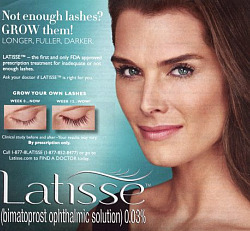 Allergan’s
  The Ethical Nag