
Big Tobacco’s lessons for Big Food

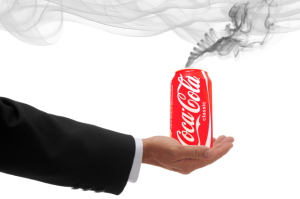
In the good old days, the tobacco industry had a strategic marketing playbook script that worked something like this:

  • emphasize personal responsibility for choosing to smoke
  • pay scientists to deliver research that instills doubt about risks
  • criticize the “junk science” that finds harms associated with smoking
  • make self-regulatory pledges
  • lobby with massive resources to stifle government action
  • introduce “safer” products
  • simultaneously manipulate and deny both the addictive nature of tobacco products and marketing said products to children

The compelling question asked by researchers Drs. Kelly Brownell and Kenneth Warner is this:   How does the script of the modern food industry compare to that tobacco industry script?  Continue reading

Handy hints for getting along with your drug company

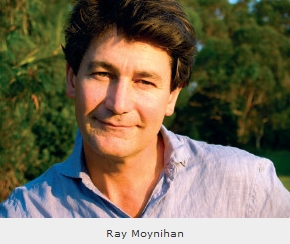
Pity the poor pharmaceutical industry, much maligned by those concerned about marketing-based medicine. Ray Moynihan is one of the most vocal watchdogs of the industry.  He’s the Australia-based co-author with Alan Cassels of a compelling book called Selling Sickness: How the World’s Biggest Pharmaceutical Companies Are Turning Us All Into Patients.

His work on disease-mongering has intrigued me for years, and now he offers these handy hints for physicians on how to get along with your friendly neighbourhood drug or medical device company.  These hints are in response to a British guideline for physicians written by a multinational stakeholder group, including the Association of the British Pharmaceutical Industry (ABPI). Neither the group’s membership nor funding is declared in the guidelines or on the ABPI website.

Here’s Moynihan’s cheeky advice* in the British Medical Journal for doctors who are reading this guidance: Continue reading

Why doctors who pretend to write journal articles should be punished

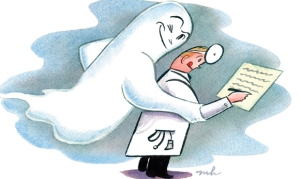
I was relieved to see on a CBC News report that somebody’s finally calling a spade a spade when it comes to medical school academics who pretend to be the actual authors of research papers about prescription drugs. Two Canadian law professors interviewed for the piece actually used the word “fraud”.  They then called for legal sanctions against any academics who lend their names to medical journal articles that are actually ghostwritten by pharmaceutical industry writers. Here’s what their report had to say on this:    Continue reading

Why is my government paying for drugs that France won’t touch?

The Premier of my lovely province here on the West Coast of Canada promised during our spring election campaign that her government would pay for prescription drugs or products to help British Columbians quit smoking. But a new report in The Tyee suggests that some of the drugs the province wants to fund are controversial.
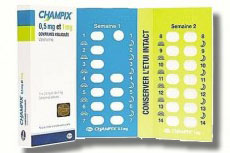
One of them, varenicline (which is made by drug giant Pfizer and sold as Champix in Canada and Europe, or as Chantix in the U.S.) has been associated with suicides and severe psychiatric side effects.

In fact, here’s what the Institute for Safe Medication Practices, an American non-profit, said about varenicline in its October 2008 quarterly update:

“Varenicline accounted for more reported serious injuries than any other prescription drug for a second quarter, a total of 1,001 new cases, including 50 additional deaths.”

And the government of France last month announced that it will stop paying for varenicline because of serious questions around its safety. Continue reading